Where you learn matters more than you might think.
Your learning environment is not just a physical space—it’s an invisible influence on how deeply you think, how focused you feel, and how open you are to new ideas. The spaces we inhabit quietly shape our attention, creativity, and intellectual growth.
At Transition and Evolve, we see learning as an experience that is deeply connected to environment, atmosphere, and intention.
Why Your Environment Matters for Intellectual Growth
The human mind responds constantly to its surroundings. Light, noise, order, comfort, and aesthetics all affect how we process information and engage with ideas.
A supportive learning environment can:
- improve focus and concentration
- encourage deeper thinking and reflection
- reduce mental fatigue and distraction
- spark curiosity and creativity
- make learning feel inviting rather than effortful
When the environment supports the mind, learning becomes more natural and sustainable.
Learning Is Not Only About Content
We often focus on what we learn — books, courses, conversations—but rarely on where learning happens.
Yet the environment plays a powerful role in:
- how long we stay engaged
- how deeply we reflect
- how open we are to complex ideas
- how enjoyable learning feels
A thoughtful space signals to the mind:
“This is a place for thinking, exploring, and growing.”
What Makes a Supportive Learning Environment?
A learning environment doesn’t need to be perfect or elaborate. It needs to feel intentional.
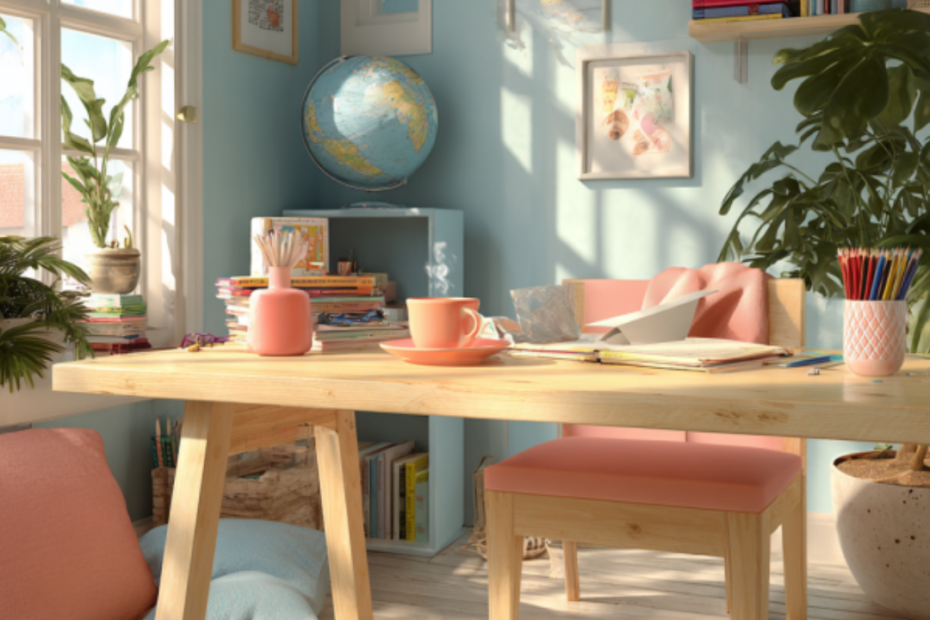
Supportive elements might include:
- natural light or warm lighting
- comfortable seating that encourages presence
- minimal visual and digital distractions
- access to books, notebooks, or creative tools
- a sense of calm, safety, and inspiration
For some, this might be a quiet room.
For others, a favorite café, a reading chair, or a desk by a window.
The key is not aesthetics — it’s alignment.
Dedicated Space vs. Intentional Moments
Not everyone has a dedicated learning room — and that’s okay.
What matters more than space is intention.
Even small rituals can transform ordinary places into learning environments:
- lighting a candle before reading
- turning off notifications
- setting aside a specific time for thinking
- sitting in the same spot for reflection
Over time, the mind begins to associate that environment with focus and curiosity.
Environment and Deep Thinking
Deep thinking requires safety, time, and reduced stimulation.
When your environment constantly pulls your attention outward, it becomes difficult to:
- reflect deeply
- explore complex ideas
- question assumptions
- make meaningful connections
Creating an environment that supports depth is a quiet act of self-respect—especially in a world designed for distraction.
Learning Environments During Life Transitions
During periods of change, learning often becomes more introspective.
You may find yourself:
- questioning old beliefs
- rethinking priorities
- seeking clarity and direction
- learning about yourself in new ways
In these moments, your environment can act as an anchor — a place where you slow down, reflect, and integrate what you’re learning internally.
Reflection Questions
Take a moment to reflect:
- Where do I usually learn or think deeply?
- Does my environment support focus or create distraction?
- How do I feel in the spaces where I read, write, or reflect?
- What small change could make my learning environment more supportive?
You don’t need a complete redesign — sometimes one small shift is enough.
An Invitation to Create Space for Growth
Your learning environment is not about perfection.
It’s about creating conditions where your mind feels welcome to explore.
At Transition and Evolve, we believe that growth happens when curiosity meets intention — and environment plays a quiet but powerful role in that process.
When you design spaces that support learning, you’re not just organizing your surroundings — you’re honoring your desire to grow.